Yoga blocks bring the floor closer to you, so you can keep good alignment in poses where you can't yet reach comfortably. They also support seated poses, restorative work and stretching. Most people use two blocks; choose the material by how firm and stable you want them to feel.
Dept 03
Yoga Blocks
Foam, cork and wood yoga blocks and props compared
Product List
29 products · We may earn a commission from these links.
Our review


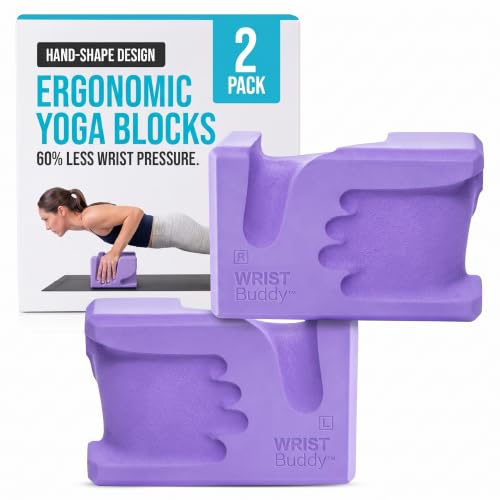


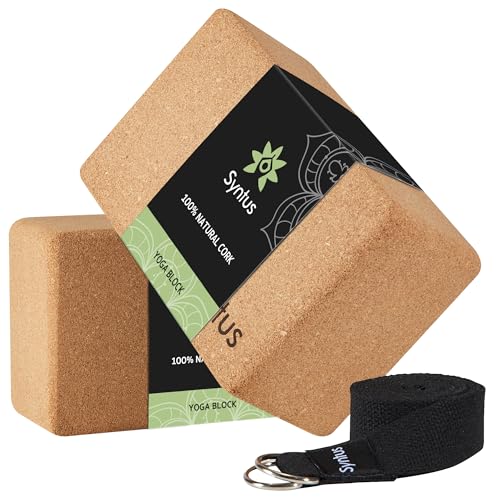


Block materials
| Material | Feel | Things to know |
|---|---|---|
| Foam (EVA) | Light and slightly soft | Cheapest; comfortable to sit or lean on; can dent over time |
| Cork | Firm and grippy | Heavier and more stable; good for standing poses |
| Wood or bamboo | Very hard | Most stable but least forgiving; heavier |
What to check before you buy
- Size. Most blocks are about 9 × 6 × 4 inches; slimmer 3-inch blocks suit smaller hands.
- Firmness and stability. Firmer blocks support body weight better in standing and balance poses.
- Edges and grip. Rounded edges are more comfortable; a non-slip surface matters on smooth floors.
- Pairs. Buying two blocks is the most useful setup for most poses.
How to use yoga blocks
Place a block under your hand in standing poses, under your hips in seated poses, or under your back or head in restorative poses. Blocks can be set at three heights depending on how much support you need. For a simple routine, see our home stretching guide.
Frequently asked questions
Foam or cork yoga block?
Foam is lighter and softer; cork is firmer and more stable. Many beginners start with foam and switch to cork for stability.
Do beginners need yoga blocks?
They are especially useful for beginners and less flexible people, because they make poses accessible without straining.
How are the blocks on this page rated?
Ratings are based on specifications, owner feedback and expert tests where available. See how we rate products.