Types of floor protection
| Type |
Best for |
Things to know |
| Equipment mat |
Treadmills, bikes, rowers, ellipticals |
Firm and dense; sized to the machine's footprint |
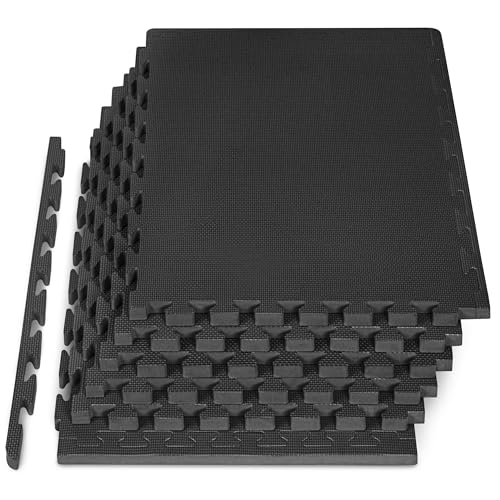
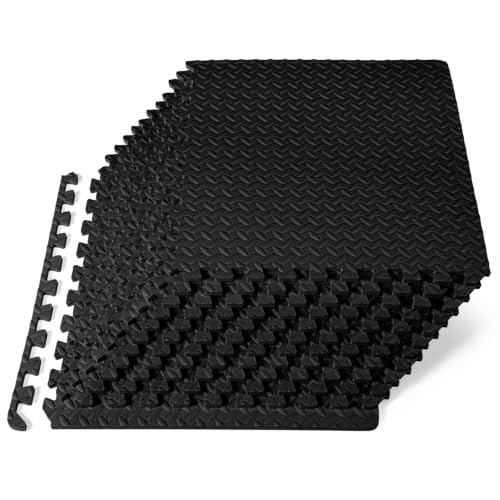
| Interlocking foam tiles (EVA) |
Floor workouts, kids' areas, light weights |
Easy to cut and extend; can dent under heavy machines |
| Rubber tiles or rolls |
Free weights, racks, garage gyms |
Heavy and durable; may smell at first |
| Thick rubber mats |
Heavy lifting and dropped weights |
Best impact protection; heavy to move |
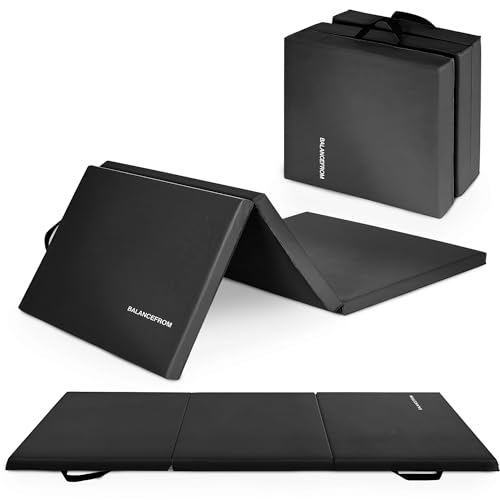
| Balance pad |
Balance and rehab exercises |
A training tool rather than floor protection |
What to check before you buy
- Size. Measure the machine's footprint and add a margin around it, or measure the full training area for tiles.
- Thickness and firmness. Machines need firm mats so they stay level; softer, thicker foam is better for floor exercises. Heavy weights need dense rubber.
- Surface. A textured, non-slip top helps with sweaty shoes and hands.
- Smell and materials. Rubber products can smell for a few days; airing them out helps.
- Floor type. On carpet, a rigid mat keeps machines stable; on hardwood, check that the mat won't discolor the finish.
Noise and vibration
Mats reduce scratches and some impact noise, but they don't fully stop vibration from treadmills or dropped weights traveling through floors. In apartments, combine a mat with quieter workouts and machines. See our home gym safety checklist and Garage Gym Ideas for flooring tips.
Frequently asked questions
Do I need a mat under my treadmill?
It is recommended: a firm mat protects the floor, catches dust and helps keep the treadmill stable. Check the manufacturer's advice.
Foam tiles or rubber flooring?
Foam tiles are lighter and cheaper for floor workouts. Rubber is better under racks and free weights.
How are the mats on this page rated?
Ratings are based on specifications, owner feedback and expert tests where available. See how we rate products.