Types of resistance bands
| Type |
Best for |
Things to know |
| Mini loop bands |
Glutes, hips, warm-ups |
Small and light; latex versions can roll up |
| Fabric (booty) bands |
Squats, hip thrusts, lateral walks |
Don't roll or pinch; less stretch |
| Long loop (power) bands |
Assisted pull-ups, presses, mobility |
Heavier bands give more assistance; anchor securely |
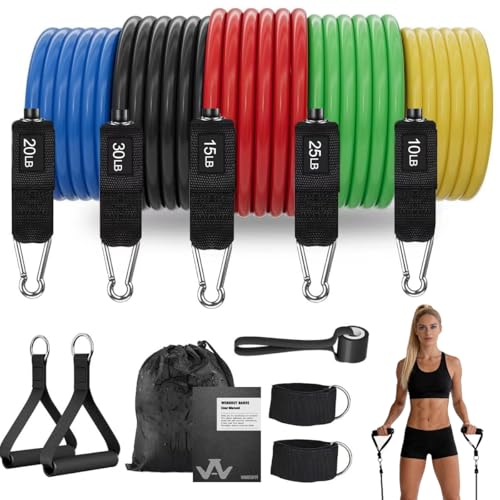
| Tube bands with handles |
Full-body workouts, rows, presses |
Often sold with a door anchor and ankle straps |
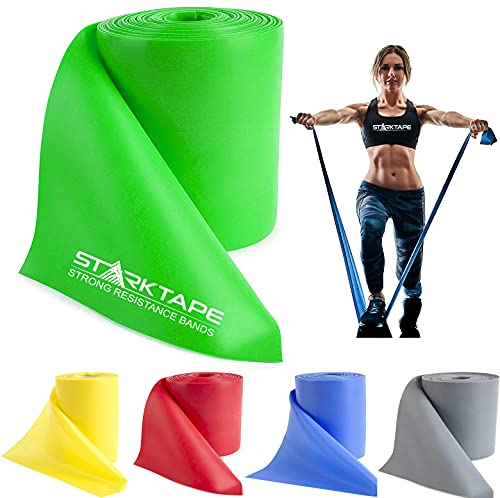
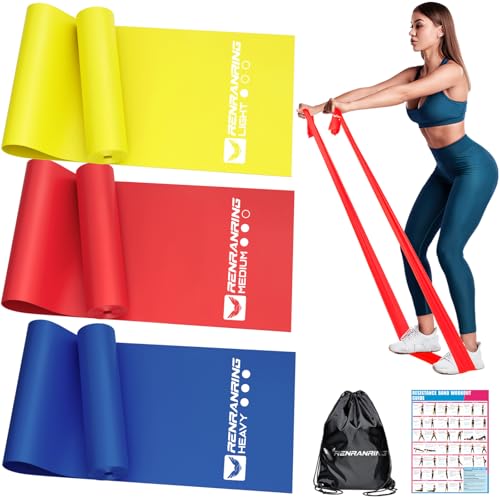
| Flat therapy bands |
Rehab, light strength, seniors |
No loops; tie or wrap to use |
What to check before you buy
- Resistance range. Sets with several levels let you progress. Resistance labels are not standardized, so compare within one brand rather than across brands.
- Material. Latex gives a smooth stretch but can trigger allergies; fabric and TPE bands are latex-free alternatives.
- Accessories. A door anchor, handles and ankle straps add many exercises to tube sets.
- Build quality. Look for owner feedback on snapping, rolling and handle attachments.
Safety and care
Check bands for nicks, tears or sticky spots before each use and replace worn bands. Anchor them to a closed door on the hinge side or to a solid fixture, never point a stretched band toward your face, and store bands away from sunlight and heat.
Training with bands
Bands get harder the more you stretch them, so control the return as well as the pull. Start with a light band and add resistance once you can do 12 to 15 good reps. Our 4-Week Beginner Home Workout Plan uses bands and a mat, and Compound vs Isolation Exercises helps you build balanced sessions.
Frequently asked questions
Can you build muscle with resistance bands?
Yes, especially for beginners, if you train regularly and increase the resistance over time. Heavier lifters may eventually need weights for some exercises.
Loop bands or tube bands?
Loop bands are best for lower-body and mobility work. Tube bands with handles and a door anchor are better for full-body workouts that mimic gym machines.
How are the bands on this page rated?
Ratings are based on specifications, owner feedback and expert tests where available. See how we rate products.