Which type of treadmill fits your home?
| Type |
Best for |
Typical limits |
Space |
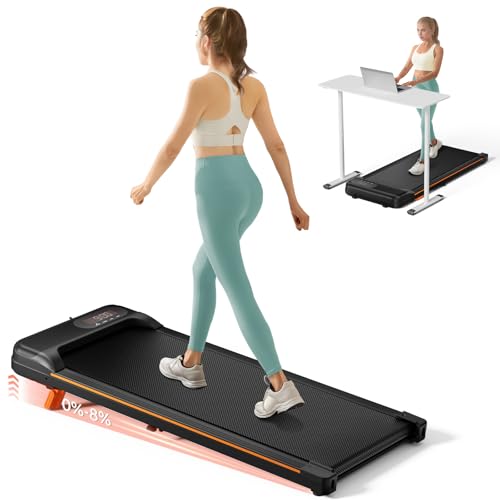
| Walking pad / under-desk treadmill |
Walking while you work, light daily activity |
Often no handrail, lower top speed, short belt |
Slides under a bed or sofa |
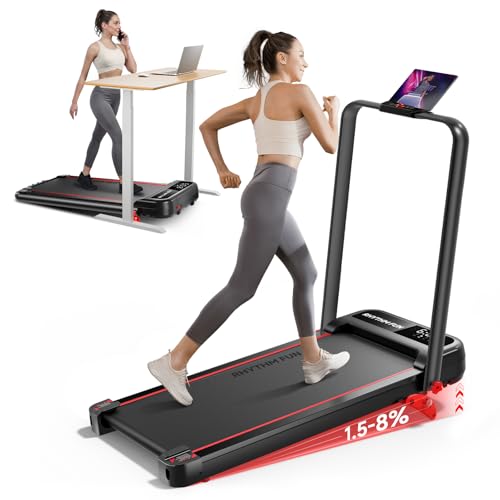
| Folding motorized treadmill |
Walking, jogging and incline work in an apartment |
Shorter belts and lighter frames than non-folding models |
Folds upright; still needs clearance when in use |
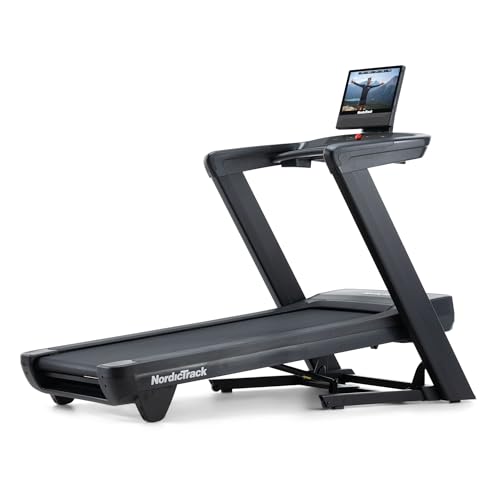
| Non-folding motorized treadmill |
Regular running and longer sessions |
Heavy and hard to move |
Needs a permanent spot |
| Manual or curved treadmill |
Sprint and interval training without a motor |
Curved models are expensive; flat manual models can feel stiff |
Varies |
Not sure a treadmill is right for you? Compare it with other machines in Elliptical vs Treadmill and Best Cardio Machines for Home.
What to check before you buy
- Belt size. Walking needs less length than running. Taller users and runners should look for a longer, wider belt; compare the listed belt dimensions rather than the overall machine size.
- Motor. Look at continuous-duty horsepower (CHP) rather than peak horsepower. Walking pads are usually built for walking speeds; regular jogging and running call for a stronger motor.
- Weight capacity. Choose a maximum user weight comfortably above your own. Capacity is also a rough sign of frame sturdiness.
- Speed and incline. Check the top speed against how you plan to train. Incline makes walking workouts harder without running, which is easier on the joints for many people.
- Footprint and clearance. Measure the machine both in use and folded, then leave free space behind the belt and on each side. Our Home Gym Footprint Report lists real dimensions and clearance for popular models.
- Noise and floor. Motor and footfall noise travel through floors. In an apartment, put the treadmill on a protective exercise mat and check reviews for noise complaints.
- Safety features. A safety key or clip that stops the belt, and a handrail if you need support for balance.
For a full checklist, read How to Choose a Treadmill for Home: Motor, Belt, Incline and Size. Short on space? See Best Folding Treadmills and Walking Pads for Small Homes and Best Walking Pads and Under-Desk Treadmills.
Setting up and looking after your treadmill
Place it on a level surface near an outlet, away from walls and furniture behind the belt, and keep children and pets away while it runs. Follow our treadmill setup guide for leveling and belt tension.
Wipe the belt and console after use, check bolts regularly and lubricate the belt as the manufacturer recommends. Our treadmill care and maintenance guide has a simple schedule.
Ideas for your first workouts
Start with walking and add incline or short jogging intervals as you get fitter. Our treadmill workouts for home give step-by-step sessions for beginners to advanced users. If you have knee or joint pain, see low-impact home workouts and check with a healthcare professional before starting.
Frequently asked questions
Is a walking pad enough, or do I need a full treadmill?
A walking pad suits walking at a desk or light daily activity. If you want to jog, run or use a steep incline, a motorized treadmill with a longer belt and a handrail is the safer choice.
How much space does a home treadmill need?
More than its listed footprint: add free space behind the belt and on each side for safety. Check our Footprint Report for real-world figures.
Can I use a treadmill in an apartment?
Yes, but noise and vibration are the main issues. A mat, a model with good reviews for noise, and walking or incline workouts instead of running help keep neighbors happy.
How are the treadmills on this page rated?
Ratings are based on specifications, owner feedback and expert tests where available, not on hands-on testing unless the verdict says so. See how we rate products.